Learning Style Selector
Find Your Learning Style
This tool helps you determine whether eLearning or virtual learning is best for your situation based on your schedule, goals, and preferences.
Your Learning Recommendation
eLearning Benefits
- Complete at your own pace
- Flexible timing
- Self-paced progress tracking
- Ideal for independent learners
Virtual Learning Benefits
- Real-time interaction with instructors
- Live feedback and Q&A
- Structured schedule and routine
- Group collaboration opportunities
Ever sat through a Zoom class and wondered if it was the same as taking an online course on Udemy or Coursera? You’re not alone. The terms virtual learning and eLearning get thrown around like they’re interchangeable. But they’re not. And mixing them up could cost you time, money, or even the right learning experience.
What Exactly Is eLearning?
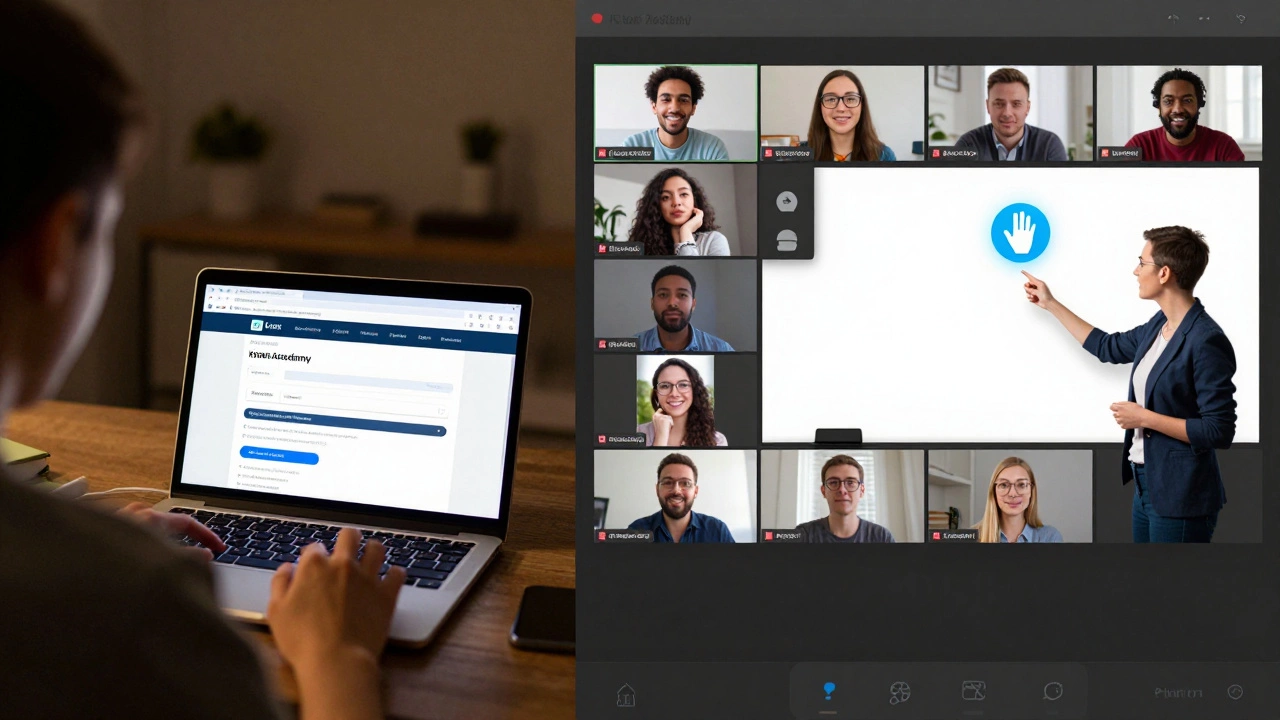
eLearning isn’t just online classes. It’s a structured, self-paced system built around digital content. Think of it as digital textbooks with quizzes, videos, interactive modules, and progress tracking-all designed to be completed on your own time. Platforms like Khan Academy, LinkedIn Learning, and even Indian government portals like SWAYAM use eLearning to deliver certified courses without live instructors.
The core idea? You log in, complete the material, take the assessment, and move on. There’s no real-time interaction required. You might watch a 15-minute lecture on Python basics at 10 p.m., take a quiz at 2 a.m., and get instant feedback. That’s eLearning. It’s scalable, repeatable, and built for independence.
What Is Virtual Learning?
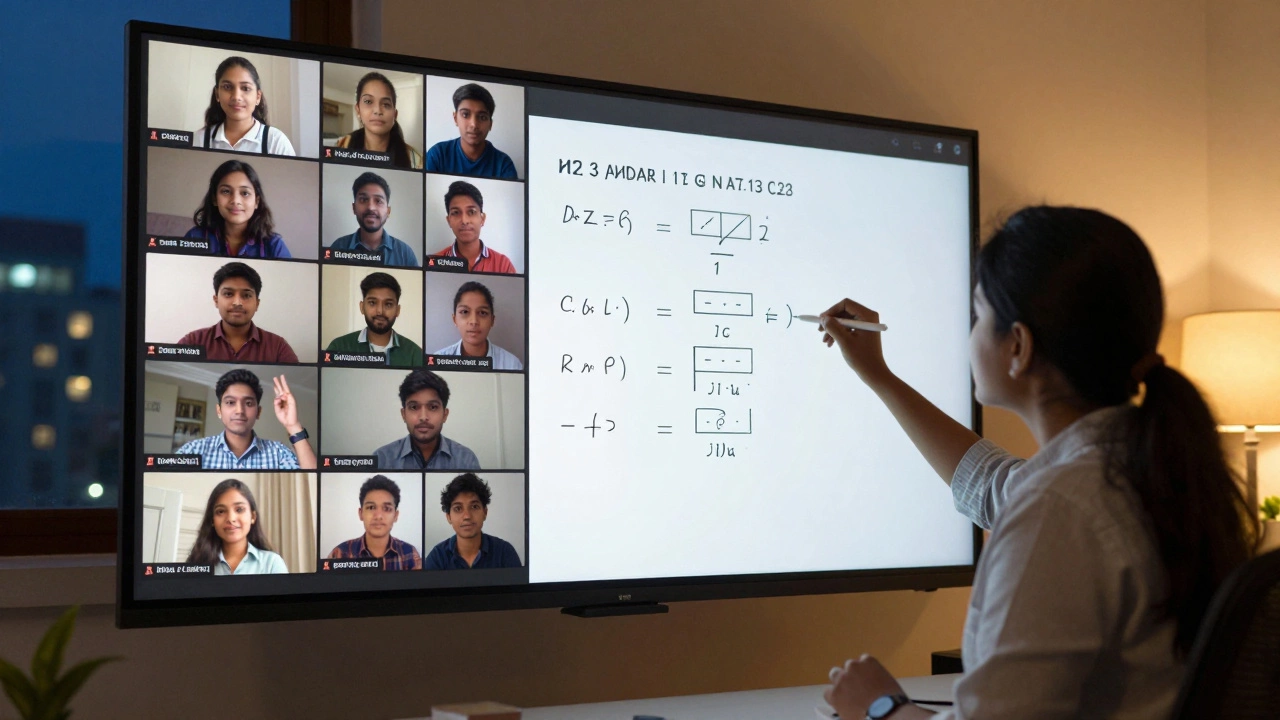
Virtual learning, on the other hand, is about live, real-time connection. It’s when a teacher in Delhi teaches students in Chennai, Lucknow, and Coimbatore all at once through Zoom, Google Meet, or Microsoft Teams. You raise your hand. You ask a question. The teacher answers you on the spot. You participate in breakout rooms. You see classmates’ faces. You get feedback in real time.
This is what most schools switched to during the pandemic. It mimics the physical classroom-but digitally. Teachers use whiteboards, assign live polls, call on students, and grade participation. It’s not just content delivery. It’s interaction, presence, and engagement-all happening over the internet.
Key Differences You Can’t Ignore
Here’s the breakdown that matters:
- Timing: eLearning is asynchronous-you learn when you want. Virtual learning is synchronous-you show up at a set time.
- Interaction: eLearning has limited interaction (maybe a forum). Virtual learning has live dialogue, Q&A, and group work.
- Structure: eLearning is modular and self-guided. Virtual learning follows a schedule, like a traditional timetable.
- Technology: eLearning runs on LMS platforms (Moodle, Canvas). Virtual learning needs video conferencing tools (Zoom, Google Meet).
- Outcome: eLearning often leads to certificates based on completion. Virtual learning often includes attendance, participation grades, and real-time assessments.
Let’s say you’re preparing for the UPSC exam. You might use an eLearning platform like Byju’s to watch recorded lectures on Indian polity. But when you join a live doubt-clearing session with a mentor at 7 p.m., that’s virtual learning. One is content. The other is connection.
Why the Confusion Exists
Many platforms mix both. For example, Unacademy offers recorded courses (eLearning) AND live classes (virtual learning) under the same brand. So when you sign up, you might think you’re getting one thing-but you’re actually getting both. That’s not bad. It’s smart. But it creates confusion.
Also, companies and schools often use the terms loosely. A university might say, “Our courses are now virtual,” when they really mean they switched from in-person to pre-recorded modules. That’s technically eLearning, not virtual learning. The language got sloppy.
Which One Should You Choose?
It depends on your goal.
If you’re:
- Working full-time and need flexibility → Go for eLearning. You can study during lunch breaks or after your kids sleep.
- Preparing for competitive exams like NEET, JEE, or CAT → Combine both. Use eLearning for theory, virtual sessions for problem-solving and mock tests.
- A parent looking for your child’s school to continue education → Virtual learning is likely what’s being offered. It’s about structure, routine, and teacher accountability.
- Learning a new skill like Excel or graphic design → eLearning is perfect. You can replay lessons, pause, and practice at your own pace.
There’s no “better” option. There’s only “better for you.”
The Future: Blended Isn’t Just a Buzzword
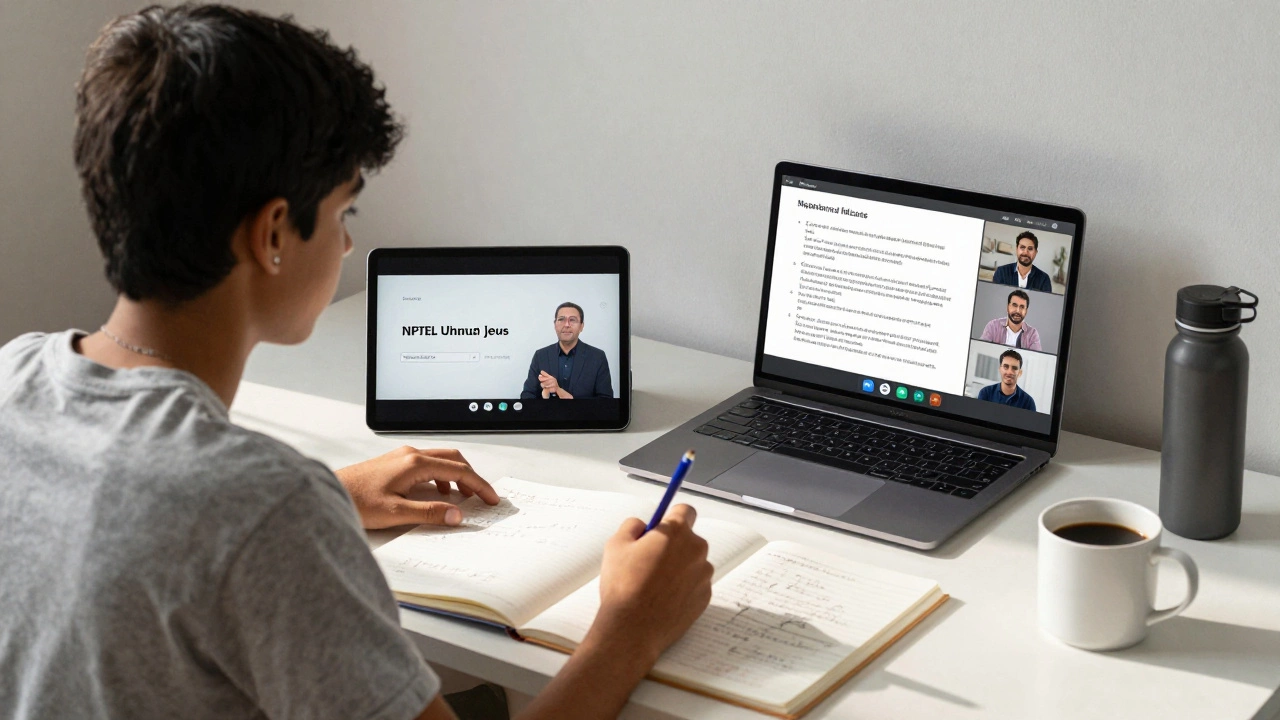
The best learning experiences now blend both. A student might watch recorded lectures on an eLearning platform (e.g., NPTEL), then join weekly live doubt sessions (virtual learning). That’s the model top institutions are adopting-India’s IITs, NITs, and even private coaching centers like Allen and Aakash.
Why? Because pure eLearning can feel lonely. Pure virtual learning can be exhausting. Blended learning gives you the flexibility of self-paced study with the accountability of live interaction. It’s the sweet spot.
Common Misconceptions
Let’s clear up a few myths:
- Myth: “Virtual learning is just online classes.”
Truth: All virtual learning is online, but not all online learning is virtual. eLearning is online too-but not live. - Myth: “eLearning is cheaper.”
Truth: Sometimes yes, sometimes no. A live virtual course with a top instructor might cost more than a pre-recorded one-but it also delivers more value if you need feedback. - Myth: “eLearning doesn’t work for kids.”
Truth: It does-if it’s part of a larger system. Many CBSE schools now use eLearning portals for homework and assignments, then hold weekly virtual check-ins.
How to Tell Them Apart in Real Life
Next time you see a course description, ask:
- Is there a fixed schedule? → If yes, it’s likely virtual learning.
- Can you pause, rewind, and resume anytime? → That’s eLearning.
- Do you need to log in at a specific time? → Virtual.
- Do you get a certificate after finishing modules, regardless of when? → eLearning.
Simple. No jargon. Just clarity.
Bottom Line
Virtual learning and eLearning are two tools. One is for connection. The other is for convenience. You don’t need to pick one. But you do need to know which one you’re signing up for. Otherwise, you might end up frustrated-thinking you’re getting live support when you’re just watching videos alone at midnight.
Know the difference. Choose wisely. And don’t let marketers confuse you with buzzwords.
Is eLearning the same as online learning?
Yes, eLearning is a type of online learning-but not all online learning is eLearning. Online learning is the broad category that includes both eLearning (self-paced, recorded) and virtual learning (live, interactive). So eLearning is a subset of online learning, just like apples are a subset of fruit.
Can virtual learning work without an internet connection?
No. Virtual learning requires a stable internet connection because it depends on live video streaming, real-time chat, and interactive tools like polls or breakout rooms. If your connection drops during a live class, you’ll miss the interaction. That’s why many students in rural India use recorded eLearning modules as backup when connectivity is poor.
Which is better for exam prep: eLearning or virtual learning?
For exam prep, the best approach uses both. Use eLearning to build foundational knowledge-watching lectures, taking notes, and practicing quizzes at your own pace. Then use virtual learning for mock tests, live doubt sessions, and peer discussions. The combination gives you depth and accountability. Many top coaching institutes in India, like FIITJEE and Career Point, use this exact model.
Do employers recognize eLearning certificates?
Yes, especially from recognized platforms like NPTEL, SWAYAM, Coursera, or edX. Many Indian companies, including TCS, Infosys, and Wipro, accept eLearning certificates for internal promotions and skill assessments. The key is choosing accredited programs. A certificate from a random YouTube course won’t carry weight-but one from a university or government-backed platform will.
Can children learn effectively through eLearning alone?
Younger children (under 12) often struggle with pure eLearning because they need structure, routine, and adult guidance. Older students (13+) can manage it better, especially if they’re self-motivated. That’s why most schools in India combine eLearning (for assignments and videos) with weekly virtual classes. It’s not about choosing one-it’s about balancing both.