YouTube English Channel Selector
Find Your Perfect Learning Channel
Your Personalized Recommendations
Suggested Weekly Study Plan
Scrolling through YouTube can feel like wandering down an endless hallway of content. You want to improve your English, but which channel actually delivers? Some promise fluency in a week; others drown you in grammar rules that sound like a textbook from the 1990s. The truth is, there isn't one single "best" channel for everyone. Your ideal resource depends on whether you are struggling with basic vocabulary, need to master professional business communication, or just want to understand American slang without feeling lost.
Finding the right guide saves you time and frustration. Below, I break down the top performers across different categories, so you can pick the one that fits your specific goals.
The Heavyweights: Comprehensive Grammar & Vocabulary
If you are starting from scratch or want to build a solid foundation, you need channels that explain the "why" behind the language. These creators treat English as a system, breaking it down into logical parts.
On the other side of the Atlantic, BBC Learning English offers daily short clips, news-based lessons, and structured courses covering everything from idioms to business etiquette. Because it is backed by a major broadcaster, the material is consistently accurate and updated. Their "6 Minute English" series is legendary for being digestible yet dense with useful information. It’s perfect for intermediate learners who want to keep their skills sharp without committing hours each day.
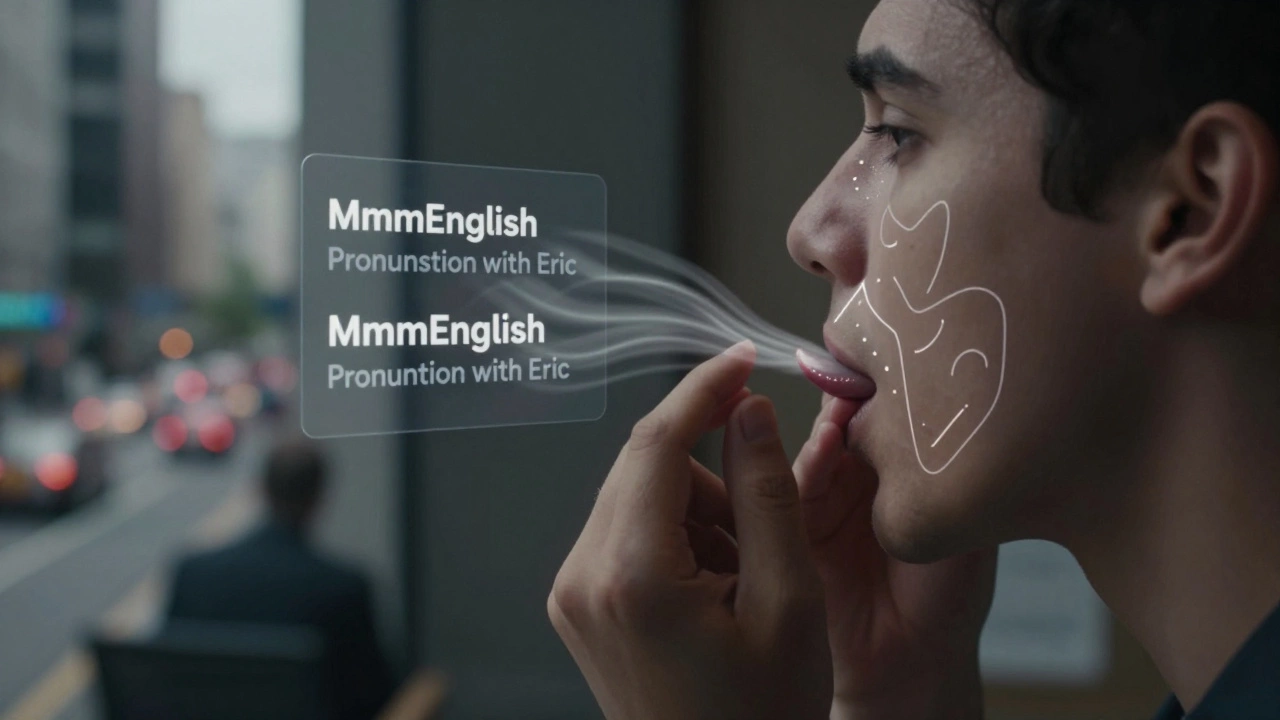
For those who prefer a more academic approach, MmmEnglish, hosted by Emma, provides structured lessons on common mistakes, pronunciation drills, and confidence-building techniques. Emma has a background in teaching, so her explanations are pedagogically sound. She doesn’t just tell you what is wrong; she shows you how to fix it with mouth position diagrams and slow-motion repetition. This makes it incredibly effective for non-native speakers trying to nail tricky sounds like "th" or "r".
Mastering Natural Speech & Pronunciation
Knowing grammar doesn't mean you can speak naturally. Many learners sound robotic because they focus on correctness rather than flow. To sound like a native, you need to study connected speech-how words blend together in real conversation.
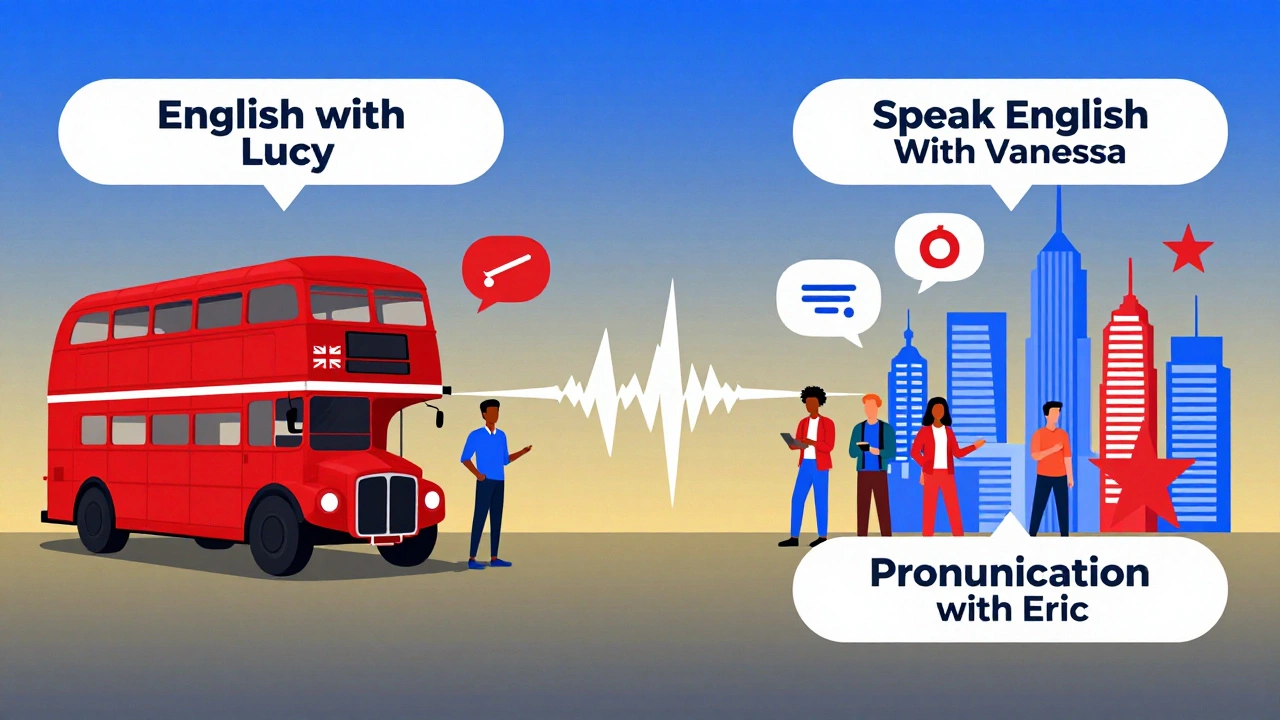
Pronunciation with Eric specializes in American English intonation, stress patterns, and the rhythm of natural speech. Eric breaks down audio clips from movies and interviews, showing exactly where native speakers drop syllables or link words. For example, he explains why "want to" becomes "wanna" and when it is appropriate to use it. This channel bridges the gap between textbook English and street-level fluency.
Another standout is Speak English With Vanessa. Vanessa focuses heavily on conversational English, idiomatic expressions, and cultural context. Her videos often feature real-life scenarios, such as ordering coffee or making small talk at a party. She emphasizes listening comprehension, training your ear to catch fast-paced dialogue. If you struggle to understand native speakers in movies or podcasts, her channel will retrain your brain to process speed and slang.
Business & Professional English
General English won't cut it if you need to negotiate contracts, lead meetings, or write professional emails. Business English requires specific terminology, formal tone adjustments, and understanding corporate culture.
BizVoc (Business Vocabulary) is tailored for professionals. The host, David, covers topics like negotiation strategies, email etiquette, presentation skills, and industry-specific jargon. His videos are concise and directly applicable to the workplace. He often analyzes real-world business cases, helping you understand not just the words, but the power dynamics behind them. For instance, he explains the subtle difference between saying "I think" versus "It appears that" in a report, and why that shift matters for credibility.
English with Jennifer also offers strong content for professional development, including interview preparation and networking tips. She provides scripts and templates for common workplace interactions, which is invaluable for non-native speakers who freeze up during high-stakes conversations.
Learning Through Immersion & Fun
Sometimes, studying feels like work. That’s where immersion channels come in. They teach you English indirectly by exposing you to authentic content, making learning feel less like a chore and more like entertainment.
DramaFever and similar channels offer dubbed dramas and vlogs with dual subtitles. While not strictly educational, watching these forces your brain to associate spoken words with visual context. Over time, you start predicting sentences before they are finished. This method builds intuition rather than memorization.
For a lighter touch, Easy English takes street interviews with random people in various cities. You hear diverse accents, ages, and backgrounds. There are no scripts here-just raw, unfiltered English. It’s challenging but rewarding. You’ll encounter filler words, interruptions, and incomplete sentences, which mirrors real life perfectly. Use this channel once you have a decent base; otherwise, it might be overwhelming.
How to Choose the Right Channel for You
Not every channel suits every learner. Here is a quick decision matrix to help you pick:
- Beginner: Stick with MmmEnglish or BBC Learning English. Focus on basics and clear enunciation.
- Intermediate: Add Speak English With Vanessa or English with Lucy. Start tackling idioms and faster speech.
- Advanced/Business: Prioritize BizVoc and Pronunciation with Eric. Refine nuance and professional tone.
- Casual Learner: Mix in Easy English or drama channels for passive exposure.
Avoid hopping between too many channels. Consistency beats variety. Pick one or two main sources and stick with them for at least three months. Subscribe, turn on notifications, and try to watch one video daily. Even ten minutes a day adds up to over six hours of practice monthly.
Common Pitfalls to Avoid
One mistake learners make is passively watching without engaging. Don’t just let the video play in the background. Pause after each sentence and repeat it aloud. Mimic the speaker’s intonation exactly. Write down new phrases in a notebook or digital app. If you don’t actively use what you hear, your brain will discard it as irrelevant noise.
Also, beware of channels that promise "fluency in 30 days." Language acquisition is a marathon, not a sprint. Real progress comes from repeated exposure and active usage. Look for channels that encourage interaction, such as commenting on videos or joining community discussions. Some creators even host live Q&A sessions, which are goldmines for personalized feedback.
Combining YouTube with Other Tools
YouTube is powerful, but it works best when combined with other methods. Pair your viewing with a spaced-repetition app like Anki to memorize vocabulary. Use language exchange platforms like Tandem or HelloTalk to practice speaking with natives. Read articles on Medium or news sites to reinforce reading skills. This multi-modal approach ensures all four language skills-listening, speaking, reading, writing-are developing in tandem.
Remember, the goal isn’t perfection; it’s communication. Native speakers make mistakes too. The key is clarity and confidence. By leveraging these top YouTube channels, you’re putting yourself in the driver’s seat of your language journey. Start today, stay consistent, and watch your proficiency grow.
Is YouTube enough to become fluent in English?
YouTube is excellent for listening comprehension, vocabulary expansion, and pronunciation modeling. However, true fluency requires active output. You must speak, write, and receive feedback. Combine YouTube with conversation partners, writing exercises, and perhaps a tutor for correction. Passive input alone won’t make you fluent.
Which channel is best for Indian English speakers?
Many Indian learners benefit from channels that address common L1 interference issues. MmmEnglish and BBC Learning English are great for standardizing accent and grammar. Additionally, channels like Rajni Sir’s English Classes (if available) cater specifically to Indian contexts. However, global channels like Speak English With Vanessa help broaden exposure to international varieties of English, which is crucial for global communication.
Can I learn business English solely from YouTube?
You can learn the terminology and structures, but business English also involves soft skills and cultural nuance. Channels like BizVoc provide excellent theoretical knowledge. To apply it, you need real-world practice. Try simulating meetings, writing mock emails, or joining online business communities where English is the primary language.
How often should I watch English learning videos?
Consistency is key. Aim for 15-20 minutes daily rather than a 3-hour binge once a week. Daily exposure keeps the language fresh in your mind. Treat it like brushing your teeth-a small, regular habit yields better results than sporadic intense efforts.
Are British or American English channels better?
Neither is objectively better. It depends on your target audience. If you plan to work in the US or Canada, prioritize American channels like Speak English With Vanessa. For the UK, Australia, or India, British channels like English with Lucy or BBC Learning English are more relevant. Mixing both is fine, but be aware of spelling and vocabulary differences (e.g., color vs. colour).