Exam Difficulty Comparison Tool
Configure Your Profile
Adjust the sliders to see how your preparation compares against the odds of these three exams.
Competition & Odds Analysis
IIT-JEE (India)
~2% Acceptance1.2M Applicants vs ~17k Seats
Gaokao (China)
High Volume13M+ Participants | Score-Based Admission
Bar Exam (USA)
40-60% Pass RateProfessional Competence Test
Your Readiness Assessment
Imagine sitting for an exam where only one out of every thousand students passes. Now imagine that failing means missing your chance at a career you’ve spent years preparing for. That’s the reality behind the world’s most difficult tests. These aren’t just quizzes-they’re gatekeepers to elite universities, high-paying jobs, and respected professions.
When people talk about the toughest exams, they usually mean tests with extremely low pass rates, intense competition, or massive life-changing consequences. But what makes an exam truly “hard”? Is it the number of questions? The time pressure? Or the sheer volume of material you need to master?
What Makes an Exam Truly Difficult?
Difficulty isn’t just about complex math problems or dense reading passages. It’s a mix of several factors:
- Selection ratio: How many applicants compete for how few spots?
- Preparation time required: Months? Years? A decade?
- Stakes involved: Does failure mean losing years of effort?
- Subject breadth: Do you need to know physics, chemistry, literature, and logic all at once?
With those criteria in mind, here are three exams widely recognized as among the hardest on Earth.
1. IIT-JEE (India): The Engineering Gatekeeper
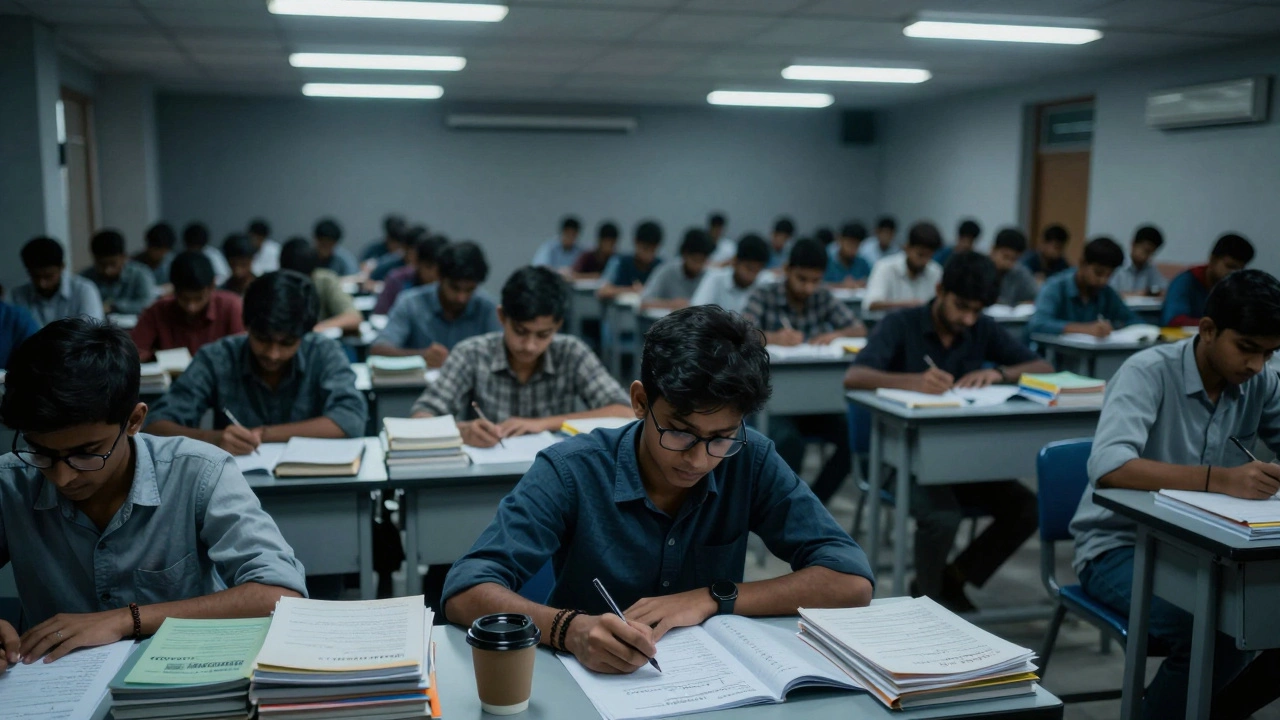
Every year, over 1 million students register for JEE Main-the first stage. Only around 250,000 qualify for JEE Advanced, the second stage. And from those, roughly 17,000 get seats across all IITs. That’s a selection rate of less than 2%.
The syllabus covers Physics, Chemistry, and Mathematics at a level far beyond standard high school curricula. Questions often require creative problem-solving under tight time limits. For example, a single physics question might combine mechanics, electromagnetism, and thermodynamics in ways that force you to think outside textbook formulas.
Students typically begin prep in Class 10-sometimes earlier-and spend 2-3 years studying 10+ hours daily. Coaching centers in cities like Kota have turned exam preparation into an industry worth billions. Many families relocate solely so their children can access top-tier coaching.
| Attribute | Value |
|---|---|
| Number of Applicants (JEE Main) | ~1.2 million (2025) |
| Qualifying for JEE Advanced | ~250,000 |
| Total Seats Available | ~17,000 |
| Subjects Tested | Physics, Chemistry, Mathematics |
| Average Prep Time | 2-3 years full-time |
2. Gaokao (China): The National College Entrance Exam
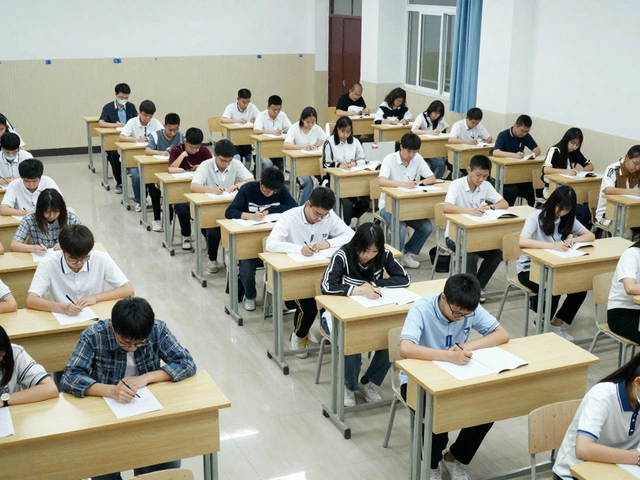
In 2025, more than 13 million Chinese students took the Gaokao. Why does this matter? Because your score decides whether you attend Tsinghua University-one of Asia’s top institutions-or end up working manual labor after graduation. There’s no holistic review, no extracurricular bonus points. Just raw scores.
The exam lasts two days and includes Chinese Language, Mathematics, Foreign Languages (usually English), plus either Science or Humanities tracks depending on student choice. Total possible score? 750 points. Top scorers exceed 700-but even then, admission to elite schools isn’t guaranteed due to regional quotas and fierce competition.
Preparation starts early. Students often sacrifice weekends, holidays, and social lives during senior year. Some provinces enforce strict study schedules starting in middle school. Parents hire tutors, buy expensive prep materials, and sometimes move to different cities hoping for better testing conditions.
Critics argue Gaokao creates excessive stress and limits creativity. Supporters say it provides fair opportunity regardless of background. Either way, its impact on individual futures cannot be overstated.
| Feature | Details |
|---|---|
| Test Duration | 2 days |
| Maximum Score | 750 points |
| Core Subjects | Chinese, Math, English + Elective Track |
| Participants (2025) | Over 13 million |
| Admission Basis | Solely based on total score |
3. Uniform Bar Examination (USA): Legal Profession Entry Test
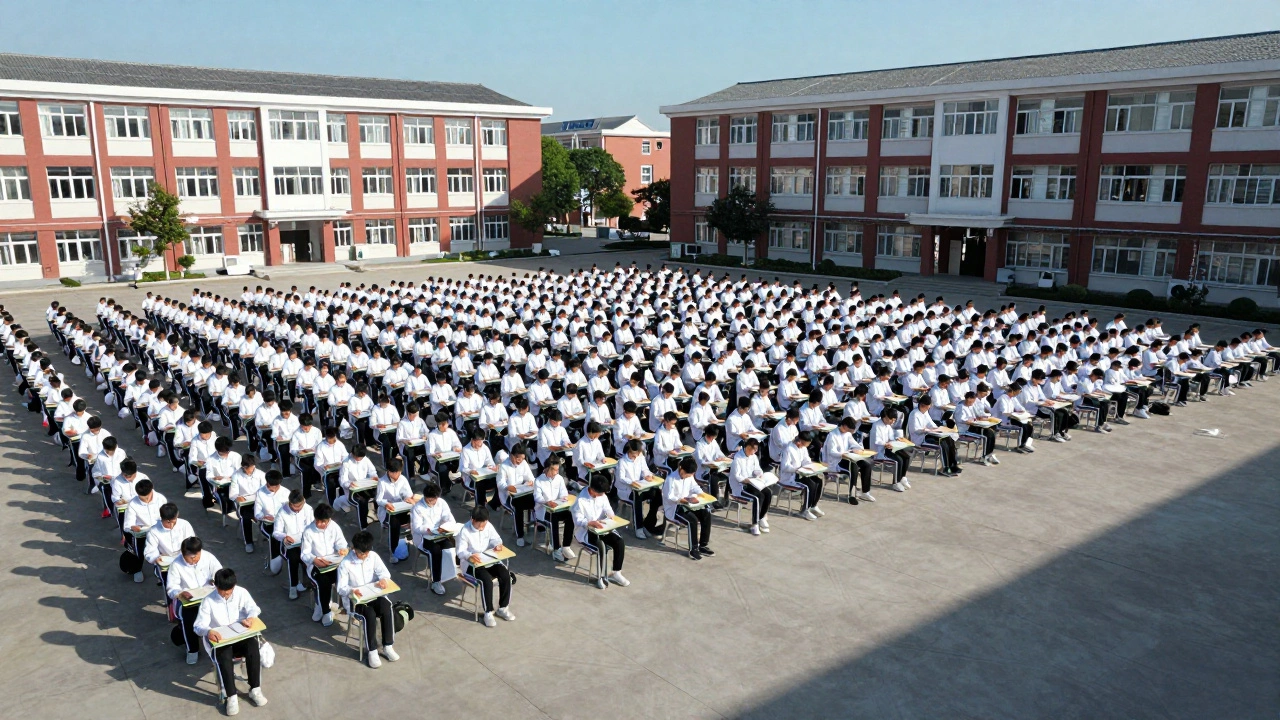
Becoming a lawyer in America requires passing the bar exam after completing three years of law school. Sounds straightforward? Think again. First-time pass rates hover between 40-60%, depending on jurisdiction. In California-which doesn’t use the UBE but runs its own notoriously hard version-the rate drops below 40%.
The UBE consists of three parts:
- Multistate Bar Examination (MBE): 200 multiple-choice questions covering constitutional law, contracts, evidence, and more.
- Essays (MEE): Six open-ended scenarios requiring legal analysis within limited time.
- Performance Tests (MPT): Real-world tasks like drafting motions or client memos using provided case files.
You’ll spend 2-3 months studying full-time before taking the exam. Most grads join commercial prep courses costing $1,500-$3,000. Study groups form quickly because isolation kills morale. Burnout is common. Mental health struggles rise sharply during this period.
Why is it considered tough? Not just because of content depth-it’s also emotionally draining. You’re being judged not only on knowledge retention but also critical thinking under pressure. One wrong assumption in an essay can cost valuable points.
| Component | Description |
|---|---|
| MBE | 200 MCQs scored automatically |
| MEE | 6 essays graded by humans |
| MPT | 2 practical writing exercises |
| Pass Rate Range | 40-60% nationally |
| Study Period | 8-12 weeks intensive review |
Other Notable Mentions
While IIT-JEE, Gaokao, and UBE dominate global conversations, other exams deserve mention too:
- Civil Services Examination (UPSC-CSE) in India tests general studies, ethics, optional subjects, and interviews. Less than 0.1% succeed each cycle.
- CPA Exam in the US evaluates accounting expertise through four sections. Average pass rate per section hovers around 50%.
- MCAT screens medical school applicants in North America. Covers biology, chemistry, psychology, and critical reasoning.
Each reflects unique cultural priorities: engineering excellence in India, academic meritocracy in China, professional competence in America.

How Should You Prepare If Facing Such Challenges?
If you're aiming for any of these exams-or similar ones-you need strategy, not just stamina. Here’s what works:
- Start Early: Give yourself at least 12-18 months minimum. Cramming fails against deep conceptual understanding.
- Use Active Recall: Don’t reread notes. Quiz yourself constantly. Flashcards help, but explaining concepts aloud builds stronger memory traces.
- Simulate Real Conditions: Take timed mock tests weekly. Build endurance for long sessions without breaks.
- Track Weaknesses: Keep error logs. Identify patterns-do you struggle with organic chemistry mechanisms? Contract law exceptions? Fix gaps systematically.
- Maintain Health: Sleep deprivation hurts performance more than extra study hours ever will. Eat well. Exercise regularly. Protect mental wellness.
Remember: success comes from consistency, not intensity alone.
Frequently Asked Questions
Is IIT-JEE really harder than Gaokao?
It depends on perspective. IIT-JEE demands deeper analytical thinking in STEM fields, while Gaokao tests broader academic mastery across languages and sciences. Both are brutally competitive-but IIT-JEE focuses narrowly on solving novel problems, whereas Gaokao emphasizes precision and recall across vast syllabi.
Can international students take the Gaokao?
Generally no. The Gaokao is designed primarily for Chinese citizens enrolled in domestic schools. Foreigners seeking higher education in China usually apply through separate international student programs or partner institutions abroad.
What happens if you fail the UBE twice?
You can retake it, but repeated failures raise red flags among employers. Some jurisdictions limit attempts or impose waiting periods. Many candidates switch careers or pursue alternative legal roles like paralegal work instead.
Do coaching institutes guarantee results for IIT-JEE?
No reputable institute guarantees placement. Marketing claims may suggest otherwise, but outcomes depend heavily on individual effort, aptitude, and luck. Choose coaches wisely-look for transparent track records, not flashy promises.
Which exam has the lowest acceptance rate overall?
Among major national exams, UPSC Civil Services holds the record-with fewer than 0.1% clearing final selection annually. Even compared to IIT-JEE (~2%) and Gaokao (~10% entering top tiers), UPSC remains statistically the most selective.
Are online resources enough to prepare for these exams?
Partially. Free platforms offer solid theory coverage, especially for foundational topics. However, advanced problem sets, personalized feedback, and structured revision plans often come from paid courses or mentorship. Combine both approaches for best results.
How do mental health issues affect exam performance?
Significantly. Anxiety impairs working memory and decision-making speed. Chronic stress reduces focus and increases mistakes. Studies show students who practice mindfulness techniques perform better under pressure-even when studying fewer hours.
Should I aim for multiple tough exams simultaneously?
Only if they share overlapping syllabi. Trying to crack IIT-JEE and NEET together might work since both cover science basics. But combining completely unrelated fields-say, bar exam prep with CPA review-will likely dilute effectiveness across both goals.