
Starting an eLearning platform isn’t just about uploading videos and calling it a day. It’s about building a system that helps people learn, stay engaged, and actually finish what they start. If you’re thinking about launching one, you’re not alone. Over 10 million learners worldwide use platforms like Udemy, Coursera, and Teachable every month. But here’s the truth: most new platforms fail within the first year-not because they lack content, but because they skip the basics. Let’s cut through the noise and show you exactly what to do, step by step.
Define Your Niche
Trying to teach everything is the fastest way to burn out-and lose learners. The most successful platforms focus on one thing really well. Think about it: do you want to be the go-to place for eLearning platform users looking for Python coding bootcamps? Or maybe for rural teachers in India preparing for government exams? Or perhaps for parents teaching basic English to kids aged 6-10?
Ask yourself: Who struggles the most with learning this topic right now? What do they need that’s not being served? For example, in Bangalore, many working professionals want flexible ways to upskill for mid-level tech roles. That’s a real, underserved gap. Don’t chase trends. Chase pain points.
Use tools like Google Trends or Reddit threads to find out what people are asking. Look at forums like Quora. Search for phrases like “how to learn X without a degree” or “best way to prepare for Y exam online.” These are your clues.
Choose Your Platform Model
You have three main paths:
- Marketplace model - You host courses from multiple instructors (like Udemy). You take a cut, usually 30-50%. Low upfront cost, but harder to control quality.
- Branded platform - You create and own all the content. Think of it like a digital academy. Higher control, higher effort. You’re the teacher, the brand, the support team.
- White-label software - You buy or build a platform (like LearnDash or Teachable) and brand it as your own. You own the customer relationship, but rely on third-party tech.
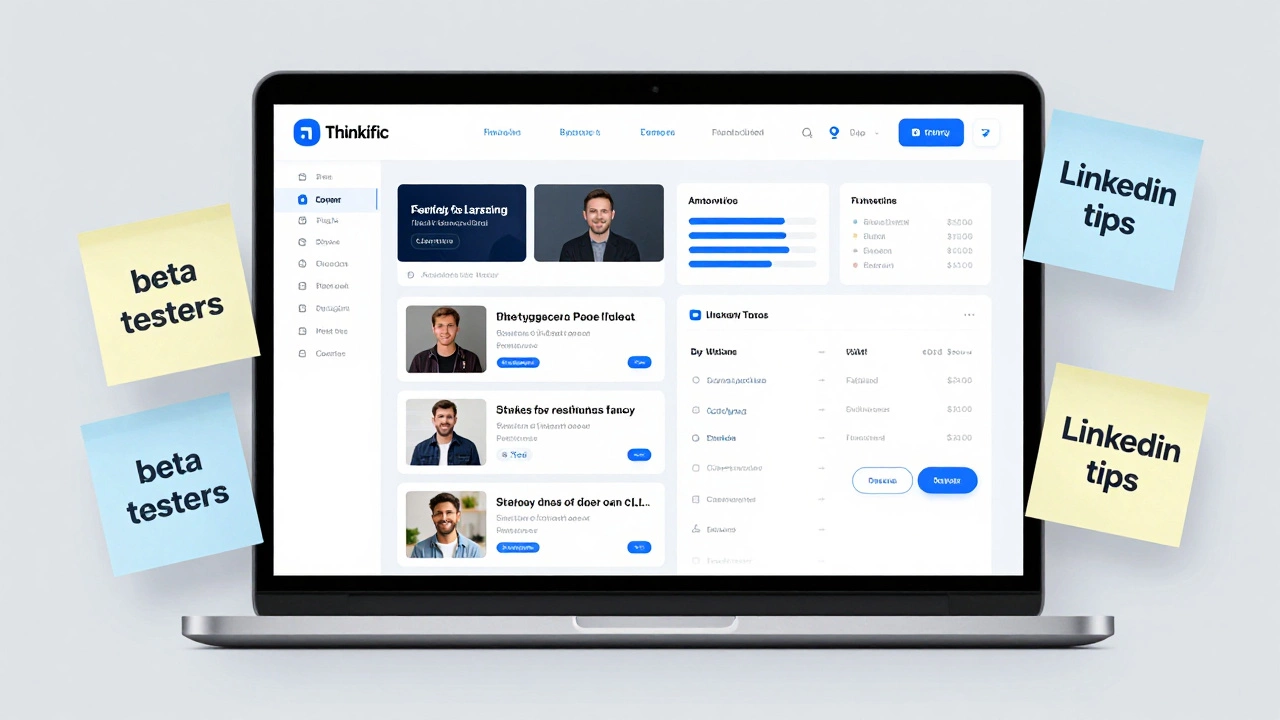
For beginners, the white-label route works best. It lets you focus on content and marketing instead of coding. Platforms like Thinkific and Kajabi let you launch in under a week. They handle payments, student dashboards, certificates, and even email sequences. You just add lessons.
Build Your Core Content
Your content is your product. It needs to be clear, structured, and results-driven. A video of you talking for 40 minutes won’t cut it. Break it down.
Each course should have:
- A clear learning outcome (“By the end, you’ll be able to create a budget spreadsheet in Excel”)
- Short lessons (5-12 minutes max)
- Quizzes or exercises after every module
- A downloadable resource (checklist, template, cheat sheet)
Use screen recording tools like Loom or OBS Studio. Record in a quiet room with decent lighting. You don’t need a studio-just consistency. One creator in Hyderabad built a 12-hour course on competitive exam math using just her phone and a $20 mic. It now has over 8,000 enrollments.
Set Up the Tech Stack
You don’t need to code a platform from scratch. Here’s what you actually need:
- Platform: Thinkific (easiest for beginners), Teachable, or Podia. All have free trials.
- Payment processor: Stripe or Razorpay (for India). Avoid PayPal if your audience is mostly Indian-it has high fees and slow payouts here.
- Email tool: Mailchimp or ConvertKit. You’ll need to nurture leads with automated emails.
- Domain and hosting: Buy a custom domain (like yourbrandlearn.com) through Namecheap or Google Domains. Host on the platform you choose-they include hosting.
Most platforms include SSL certificates, mobile-responsive design, and analytics. That means no extra cost for security or tracking. Just plug in your content.
Launch with a Beta Group
Don’t go public on day one. Find 20-30 people who match your target audience. Offer them the course for free-or 90% off-in exchange for honest feedback.
Ask them:
- Was the flow easy to follow?
- Did you finish the course? Why or why not?
- What was missing?
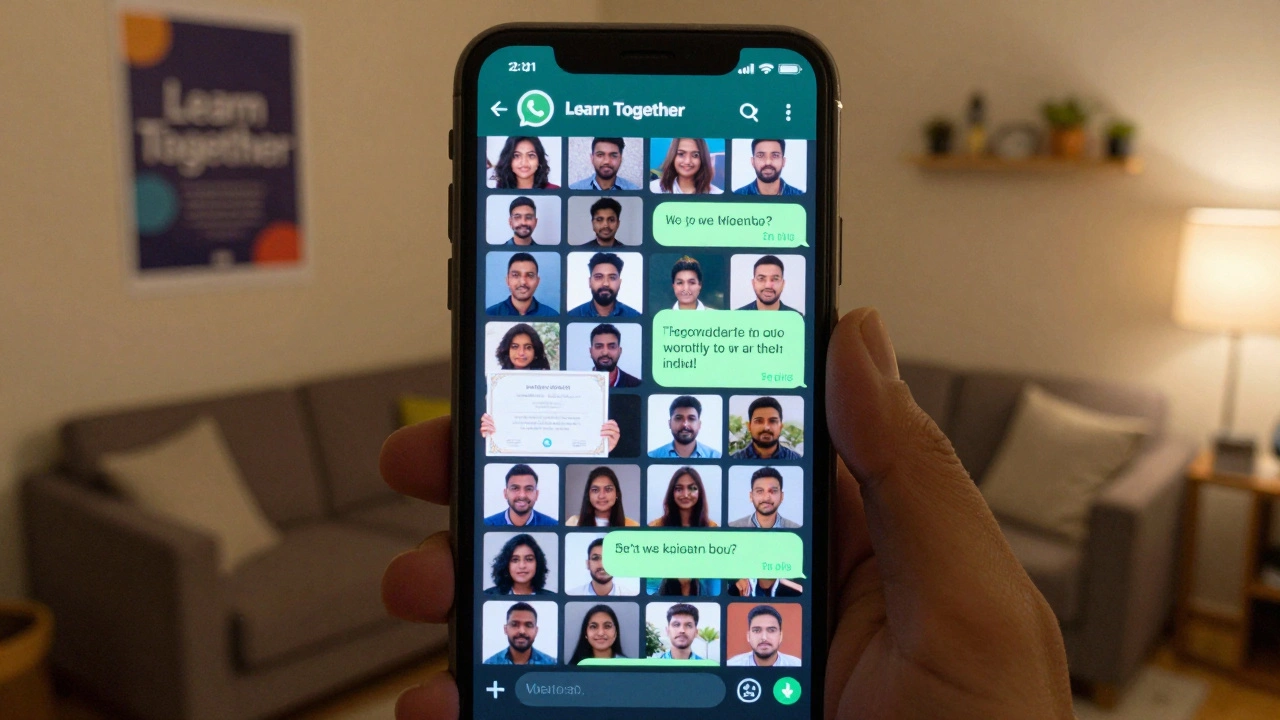
One founder in Pune used WhatsApp groups to recruit her beta testers. She got 17 responses in two days. She fixed three confusing lessons, added two practice quizzes, and changed her course title. Her first paid launch had a 68% completion rate.
Market It the Right Way
Here’s what doesn’t work: spending ₹50,000 on Facebook ads with no audience. Here’s what does:
- Start with free value: Post 3-5 short tips daily on Instagram or LinkedIn. Example: “3 mistakes people make when learning Excel formulas (and how to fix them).”
- Collaborate: Partner with small influencers in your niche. A teacher with 5K followers on YouTube might promote your course in exchange for a free lifetime access.
- Use local communities: Join Facebook groups for job seekers, students, or professionals in your niche. Answer questions. Don’t sell. When someone asks, “Where can I learn this?”-then mention your course.
One course on digital marketing for Indian freelancers grew to 1,200 students in 3 months using only LinkedIn posts and one Reddit thread. No ads. Just consistent, helpful answers.
Keep Them Coming Back
Learners don’t quit because the content is bad. They quit because they feel alone. Build community.
- Start a private Discord or WhatsApp group for students.
- Host a monthly live Q&A (15-30 minutes). Record it and send it to everyone.
- Give out “completion badges” or certificates. People love to share those.
- Ask for testimonials. Turn them into case studies. “How Priya went from zero to ₹40,000/month freelancing after this course.”
Platforms that keep learners engaged see 4x higher retention. That means more repeat sales, referrals, and long-term income.
Scale Smart
Once you have 100+ paying students, think about:
- Adding more courses in the same niche
- Creating a membership (monthly access to new content)
- Offering 1:1 coaching as a premium add-on
- Partnering with colleges or coaching centers to white-label your platform
Don’t expand too fast. Double down on what’s already working. One platform in Jaipur started with one course on spoken English. Two years later, they have 12 courses, 5,000 students, and a team of 4 part-time instructors-all from one founder’s basement.
Starting an eLearning platform isn’t about being tech-savvy. It’s about being helpful. Focus on solving one real problem. Build slowly. Listen. Adapt. And don’t wait for perfection. Launch with 80% done. Improve as you go.