eLearning Strategy Recommender
Select the option that best describes your current training goal or scenario to get a personalized recommendation.
Recommended Approach
Loading...
Why this fits:
Key Features
Understanding the Models
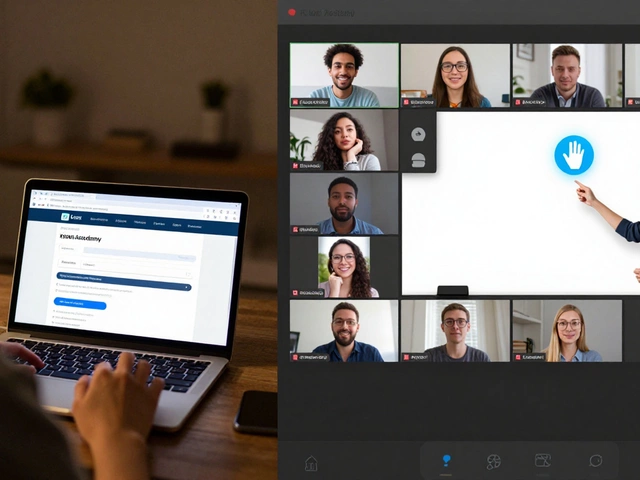
Synchronous
Live, Real-Time Interaction
Asynchronous
Self-Paced, Pre-recorded
Blended
Hybrid Mix of Both
Click any card above to learn more about that specific model.
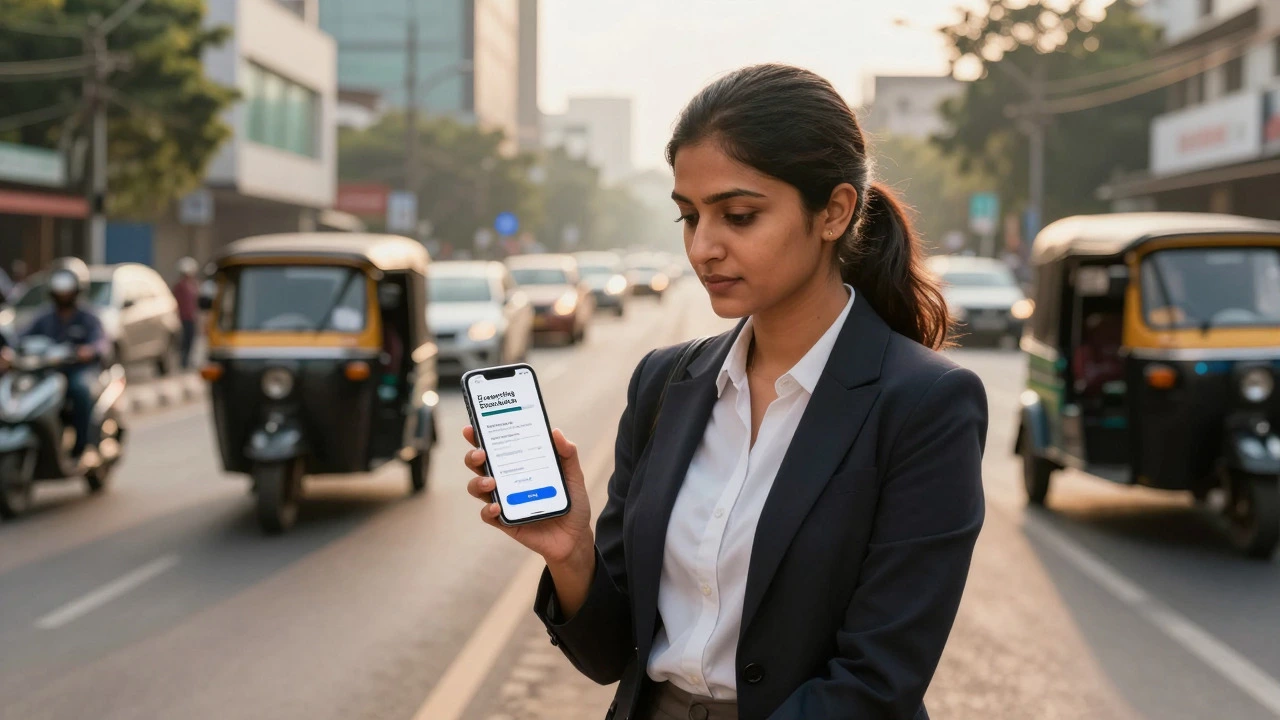
Picture this: You’re stuck in traffic on Outer Ring Road in Bangalore, late for a meeting. In your pocket, your phone buzzes with a notification from your company’s training portal. It’s not just an email; it’s a five-minute interactive module you can tap through while waiting at the red light. This is the power of modern digital education. But if you look closer, that experience is fundamentally different from joining a live Zoom workshop with your team or attending a hybrid class where you watch lectures online but do labs in person.
We often throw around the term eLearning as if it’s one single thing. It isn’t. The landscape of digital education is split into three distinct models, each designed to solve specific problems regarding time, engagement, and skill retention. Understanding these three main types-synchronous, asynchronous, and blended-is crucial whether you are an L&D manager trying to upskill employees or a student trying to balance work and study.
What are the three main types of eLearning?
The three primary models are synchronous (live, real-time interaction), asynchronous (self-paced, pre-recorded content), and blended (a mix of both methods).
Synchronous eLearning: The Virtual Classroom
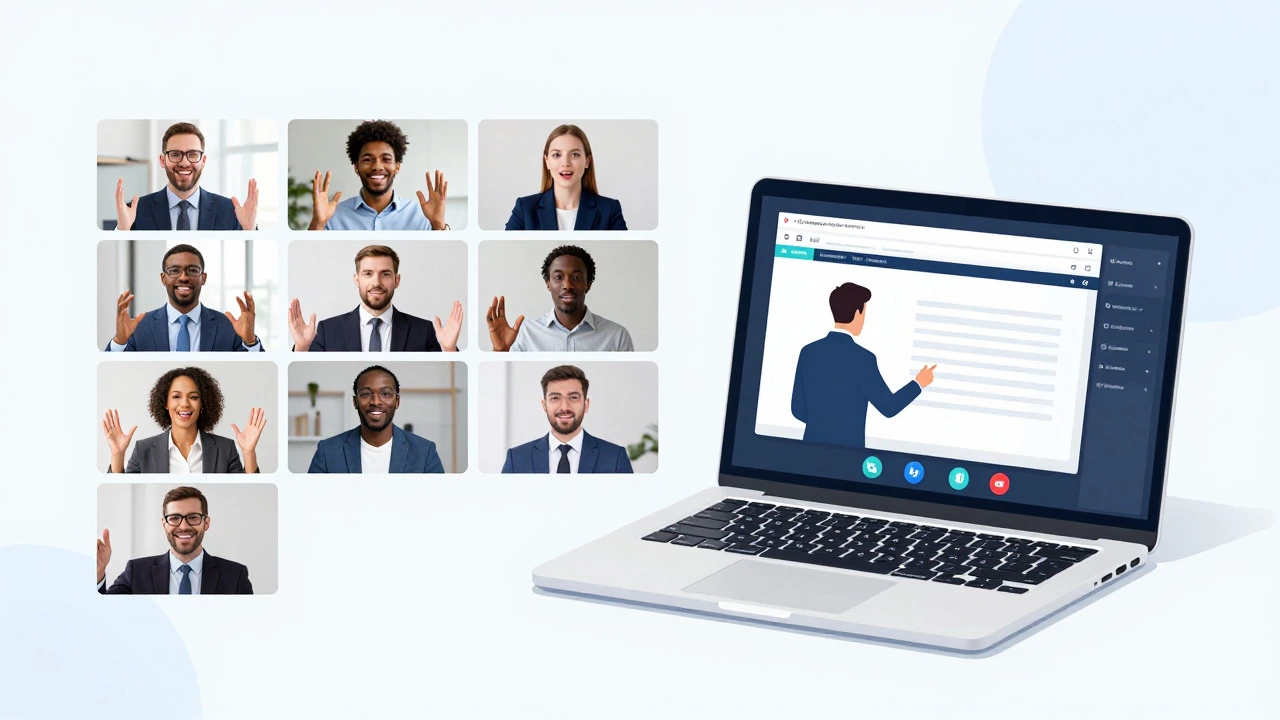
Synchronous eLearning happens in real-time. Think of it as a traditional classroom that has been moved onto a screen. Everyone involved-the instructor and the learners-logs in at the same scheduled time to interact. This model relies heavily on immediacy. When a question pops up, the answer comes instantly. There is no lag between curiosity and clarity.
Synchronous Learning is an instructional method where teachers and students interact simultaneously via digital platforms. Common tools include Zoom, Microsoft Teams, and Google Meet, which enable video conferencing, screen sharing, and instant chat.The biggest advantage here is human connection. You get body language cues, tone of voice, and the energy of a group working together. For complex topics like negotiation skills or crisis management, seeing the instructor react in real-time makes a massive difference. It also creates accountability. If you know you have to log in at 10 AM sharp, you are less likely to procrastinate than you would be with a self-paced course.
However, this rigidity is also its Achilles' heel. Time zones are a nightmare for global teams. A session convenient for Bangalore might be the middle of the night for New York. Additionally, fast talkers can dominate discussions, while introverts might stay silent, missing out on participation points. Technical glitches during a live stream can also derail the entire session, causing frustration rather than learning.
Asynchronous eLearning: Learn on Your Own Terms
If synchronous learning is a live concert, asynchronous eLearning is a Spotify playlist. The content is created in advance and made available for learners to consume whenever they want. There is no fixed schedule. You might watch a lecture video at 2 AM, take a quiz at breakfast, and read a discussion forum post during your lunch break.
Asynchronous Learning is a flexible educational approach where learners access pre-recorded materials and complete tasks independently without real-time instructor presence. Formats include MOOCs (Massive Open Online Courses), recorded webinars, interactive PDFs, and discussion boards.This model is the king of scalability. Once a video is recorded, it can be watched by ten people or ten thousand without extra effort from the instructor. It respects individual learning speeds. Some people need to pause and rewind every thirty seconds; others breeze through. Asynchronous learning accommodates both styles perfectly. It is also incredibly cost-effective for organizations because there is no need to pay instructors hourly for delivery after the initial creation phase.
The downside? Isolation. Without the structure of a live class, motivation can plummet. This is known as "learner attrition." Studies consistently show that completion rates for self-paced courses are significantly lower than live ones. Also, feedback is delayed. If you submit an assignment, you might wait days for a response, breaking the momentum of learning. It requires a high degree of self-discipline and time-management skills from the learner.
Blended eLearning: The Best of Both Worlds
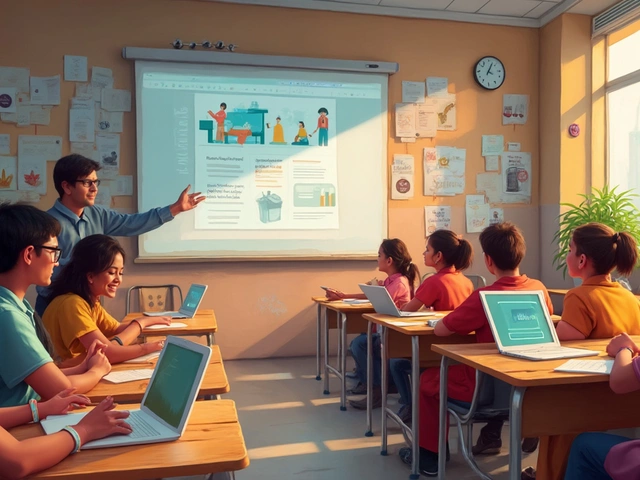
Blended learning, sometimes called hybrid learning, attempts to fix the flaws of the other two by combining them. It uses asynchronous methods for content delivery (the "what") and synchronous methods for application and clarification (the "how").
Blended Learning is an integrated educational strategy that combines self-paced online modules with face-to-face or live virtual sessions. This model leverages Learning Management Systems (LMS) for tracking progress and virtual classrooms for interaction.Imagine a corporate training program where employees first watch a series of short videos about new software features at their own pace (asynchronous). Then, once a week, they join a live webinar to troubleshoot specific issues they faced while using the software (synchronous). This approach maximizes efficiency. You don't waste expensive live instructor time teaching basic facts that could be read in a manual. Instead, live time is reserved for high-value interactions like debates, role-plays, and Q&A.
For educators, this reduces cognitive load. Students aren't overwhelmed by trying to take notes and listen simultaneously during a dense lecture. They can digest the material privately first. However, designing a good blended course is harder. It requires careful coordination so the online and offline parts feel connected, not disjointed. If the transition feels clunky, learners get confused about what is required when.
Comparing the Models: Which One Fits Your Needs?
To choose the right type, you need to look at your goals, resources, and audience. Here is a breakdown of how they stack up against each other in key areas.
| Feature | Synchronous | Asynchronous | Blended |
|---|---|---|---|
| Flexibility | Low (Fixed schedule) | High (Anytime/Anywhere) | Medium (Mixed schedule) |
| Interaction | Real-time, high engagement | Delayed, limited peer contact | Structured interaction |
| Cost Efficiency | High (Instructor hours) | Low (One-time creation) | Moderate (Balanced) |
| Completion Rates | Higher due to accountability | Lower due to self-discipline needs | High (Support system) |
| Best For | Soft skills, team building | Compliance, technical basics | Complex curricula, certification |
Choosing the Right Strategy for Your Audience
The decision isn't always black and white. Often, the best approach depends on the nature of the content itself. Let's look at some practical scenarios.
Scenario 1: Compliance Training. If you need 500 employees to understand a new data privacy policy, synchronous learning is overkill and expensive. Asynchronous learning is perfect here. Create a clear, concise video or interactive text module. Add a quiz at the end to verify understanding. Done. No need for live meetings.
Scenario 2: Leadership Development. You can't teach empathy or conflict resolution effectively through a pre-recorded video. These skills require nuance, immediate feedback, and observation of social dynamics. Synchronous workshops are essential here. Leaders need to practice responding to difficult situations in real-time with a coach present.
Scenario 3: University Coursework. A full semester-long course on Python programming benefits most from a blended approach. Students watch lectures and read documentation asynchronously to grasp syntax. Then, they attend weekly live coding sessions where instructors debug code and students collaborate on projects. This balances the heavy cognitive load of learning a new language with the support needed to overcome hurdles.

Technological Enablers and Trends in 2026
The tools supporting these three types have evolved significantly. In 2026, we are seeing a shift towards more intelligent platforms. Artificial Intelligence is beginning to personalize asynchronous learning paths. If a learner struggles with a concept in a video, the AI might automatically suggest a simpler explanation or a related article before moving on.
Virtual Reality (VR) and Augmented Reality (AR) are also bridging the gap between asynchronous and synchronous experiences. Imagine a medical student practicing a procedure in VR (asynchronous practice) and then having a specialist observe and guide them remotely in real-time (synchronous oversight). This hybridization extends beyond just video calls into immersive environments.
Furthermore, microlearning is becoming dominant across all three types. Whether live or recorded, attention spans are shorter. Breaking content into bite-sized chunks of five to seven minutes improves retention regardless of the delivery mode. This trend favors asynchronous learning but is increasingly being adopted in synchronous settings to keep live sessions dynamic and engaging.
Common Pitfalls to Avoid
Even with the best intentions, eLearning initiatives can fail if not executed correctly. Here are three common mistakes:
- Overloading Synchronous Sessions: Trying to cram too much information into a live hour leads to fatigue. Keep live sessions interactive and focused on discussion, not monologue.
- Neglecting Community in Asynchronous Learning: Don't just dump videos and leave. Include discussion forums, peer review assignments, or chat groups to create a sense of belonging and reduce isolation.
- Poor Integration in Blended Models: Ensure the online and offline components are clearly linked. Tell learners exactly why they are doing the online part and how it prepares them for the live session. Disconnect leads to confusion and dropouts.
Final Thoughts on Digital Education
There is no single "best" type of eLearning. Each model serves a distinct purpose. Synchronous builds community and handles complexity through immediate feedback. Asynchronous offers scale and flexibility for foundational knowledge. Blended optimizes both time and engagement by assigning the right task to the right medium.
As we move further into 2026, the lines between these categories may blur even more with AI-driven adaptive learning systems. However, the core principles remain: respect the learner's time, provide meaningful interaction, and align the delivery method with the learning objective. Whether you are designing a course or taking one, recognizing which model you are in helps you set the right expectations and get the most value out of the experience.
Is synchronous or asynchronous learning better?
Neither is universally better. Synchronous is superior for soft skills, networking, and complex problem-solving requiring immediate feedback. Asynchronous is better for factual knowledge, compliance training, and learners with tight schedules who need flexibility.
What is the difference between blended and hybrid learning?
The terms are often used interchangeably. However, some experts distinguish "blended" as mixing online and offline elements within a single curriculum, while "hybrid" might imply two separate tracks (one fully online, one fully in-person) running simultaneously. In most eLearning contexts, they refer to the same combined approach.
Which eLearning type has higher completion rates?
Synchronous learning generally has higher completion rates due to fixed schedules and social accountability. Blended learning also performs well because it provides structure and support. Pure asynchronous courses often suffer from lower completion rates due to lack of external deadlines and isolation.
Can I use all three types in one course?
Yes, and many successful programs do. A typical structure might involve asynchronous pre-work, a synchronous live session for deep dive, and asynchronous post-session reflection or assessment. This multi-modal approach caters to different learning preferences.
What technology is needed for synchronous eLearning?
You need a stable internet connection, a device with a camera and microphone, and access to a video conferencing platform like Zoom, Microsoft Teams, or Webex. Some advanced setups may use specialized virtual classroom software with breakout rooms and polling features.