Distance Education Suitability Analyzer
Find Your Perfect Learning Mode
Distance education isn't one-size-fits-all. Whether you need the structure of live classes or the flexibility of self-paced study, this tool analyzes your situation to recommend the best fit for 2026.
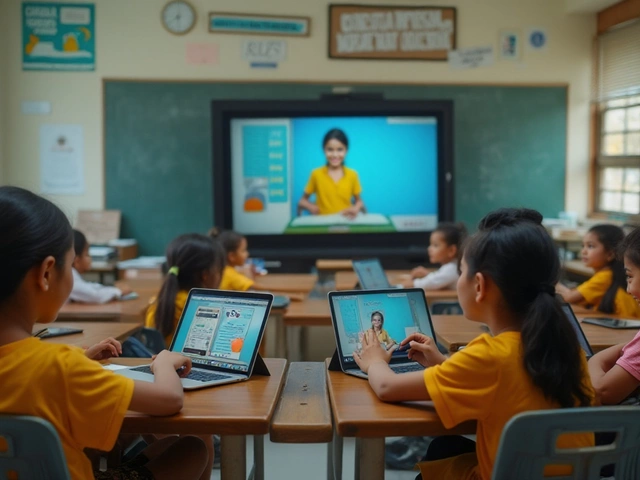
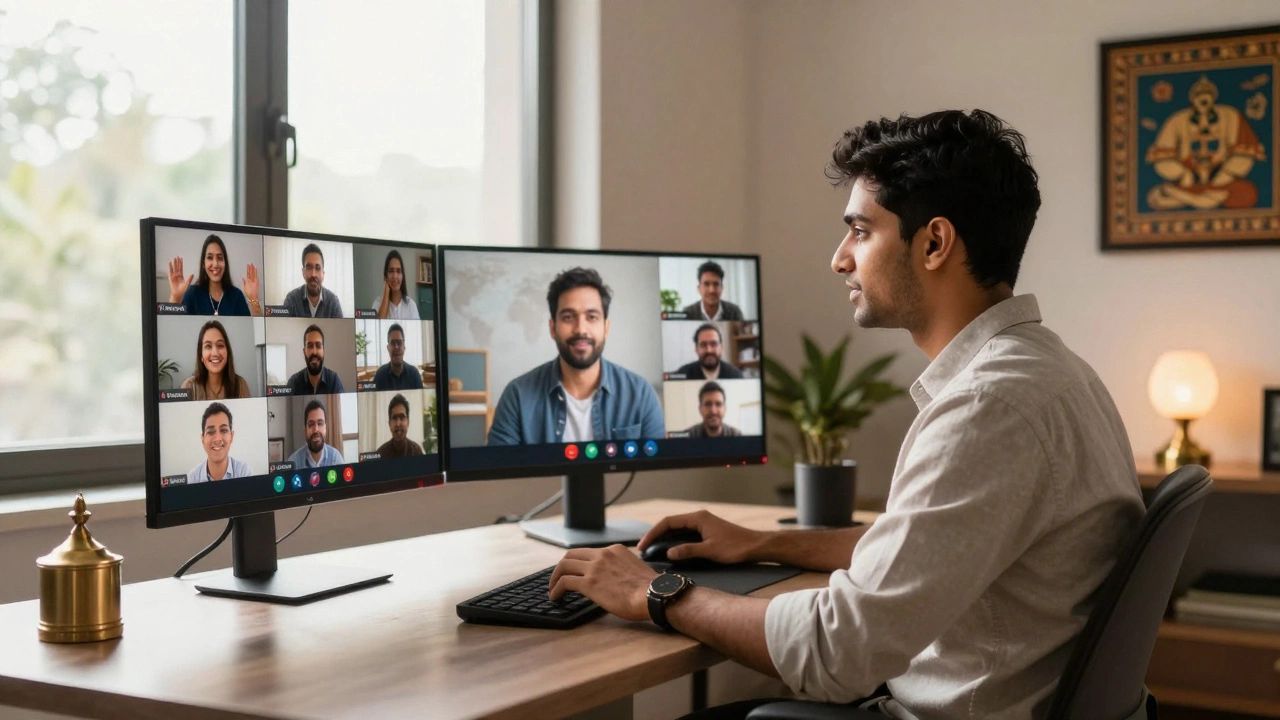
You log into a video call at 8 AM. Your professor is in New York, your classmates are in Mumbai, Berlin, and Sydney. You don’t commute. You don’t sit in a lecture hall. Yet, by the end of the semester, you’ll have a degree that carries the same weight as one earned on campus. This isn’t science fiction. It’s distance education.
But what exactly counts as distance education? Is it just watching recorded lectures? Does it include hybrid models where you visit campus once a month? And more importantly-does it actually work for career growth?
If you’re trying to decide whether to enroll in an online program, switch from traditional schooling, or simply understand how modern learning has evolved, this guide breaks down everything you need to know about distance education-its forms, benefits, challenges, and real-world impact in 2026.
The Core Definition: What Makes Learning “Distance”?
Distance education is a method of delivering instruction where teachers and students are separated by physical space, relying on technology to bridge the gap. Unlike traditional face-to-face classes, there’s no requirement for regular in-person attendance. The key factor isn’t the medium-it’s the separation.
This definition matters because many people confuse distance education with casual online courses. A YouTube tutorial isn’t distance education. A self-paced Coursera audit track isn’t either. True distance education involves structured curricula, assessment systems, instructor interaction, and often accreditation.
In India, the University Grants Commission (UGC) formally recognized distance learning through its Distance Education Bureau (DEB). Globally, organizations like UNESCO and the OECD define similar frameworks, emphasizing flexibility, accessibility, and quality assurance.
How Has Distance Education Evolved Over Time?
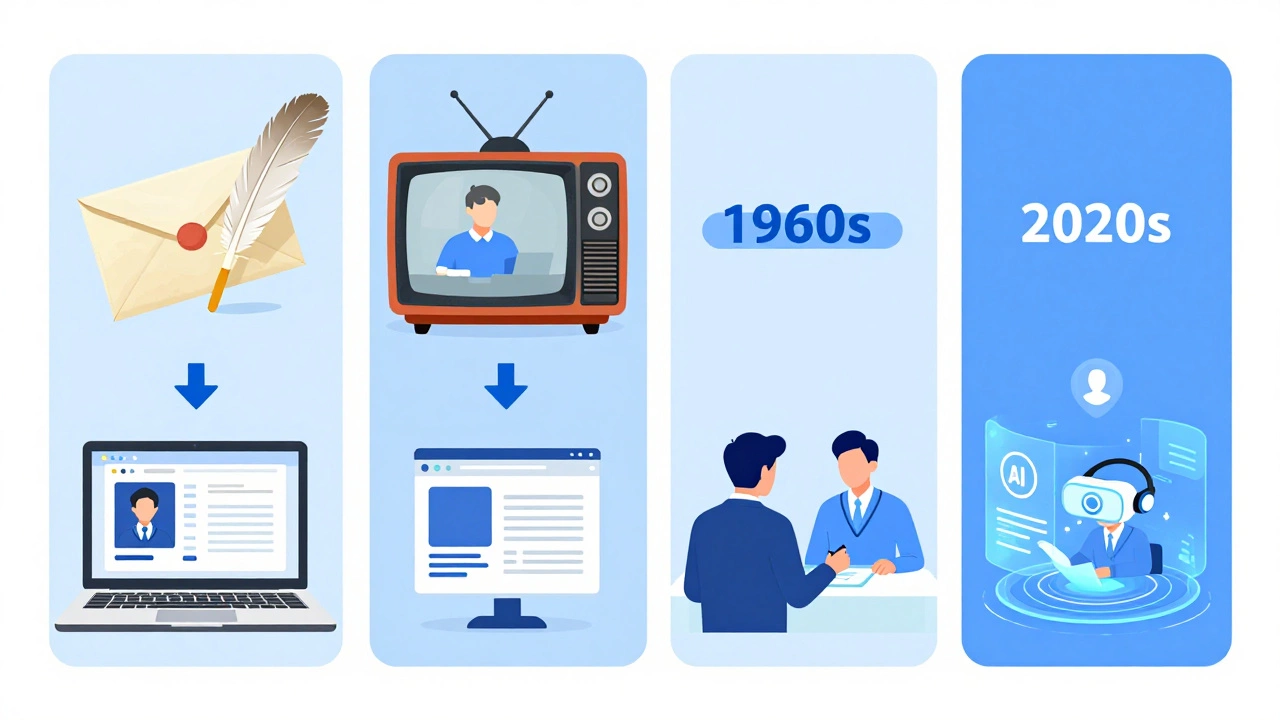
It didn’t start with Zoom or LMS platforms. The first known example dates back to 1728, when Caleb Phillips placed newspaper ads offering shorthand lessons via mail. Students wrote questions; he mailed answers. Slow, yes-but revolutionary for its time.
By the mid-20th century, radio and television brought broadcast-based learning into homes. The Open University in the UK launched in 1969, combining TV programs with printed materials and local study centers. Then came the internet.
| Era | Primary Technology | Interaction Level | Example Institutions |
|---|---|---|---|
| 1700s-1950s | Correspondence (mail) | Low (asynchronous) | Chautqua Movement (US), IGNOU precursors |
| 1960s-1990s | TV/Radio + Print | Medium (scheduled broadcasts) | Open University (UK), Indira Gandhi National Open University (IGNOU) |
| 2000s-2010s | Internet + LMS | High (forums, email, live chats) | University of Phoenix, edX early MOOCs |
| 2020s-Present | AI, VR, Cloud Collaboration | Very High (real-time sync, adaptive learning) | Georgia Tech OMSCS, IIIT-Benchmarks Hybrid Programs |
Today’s model blends all previous approaches but adds intelligence. AI tutors adjust content based on your pace. Virtual labs simulate chemistry experiments. Peer review happens instantly across time zones. The infrastructure supports true global classrooms-not just digitized textbooks.
Main Types of Distance Education Today
Not all remote learning looks the same. Understanding these categories helps you pick the right fit:
- Synchronous Online Learning: Live sessions via Zoom, Teams, or Google Meet. You attend class at set times, interact in real time, and participate in discussions. Best for collaborative learners who thrive on immediate feedback.
- Asynchronous Online Learning: Pre-recorded lectures, discussion boards, quizzes available anytime. You learn on your schedule. Ideal for working professionals or parents balancing multiple responsibilities.
- Hybrid/Blended Learning: Mixes online modules with occasional in-person workshops, exams, or networking events. Many MBA programs and engineering degrees use this format.
- MOOCs (Massive Open Online Courses): Free or low-cost courses from top universities (Coursera, FutureLearn, SWAYAM). While not always degree-granting, they offer certificates and foundational knowledge.
- Corporate E-Learning Platforms: Internal training systems used by companies for upskilling employees. Often integrated with HR software and performance tracking tools.
Your choice depends on lifestyle, goals, and preferred learning style. Need structure? Go synchronous. Want flexibility? Choose asynchronous. Looking for balance? Try hybrid.
Who Benefits Most From Distance Education?
Let’s be honest: distance education isn’t magic. It won’t fix poor motivation or replace hands-on apprenticeships for trades like plumbing or surgery prep. But for certain groups, it’s transformative.
Working adults returning to school after years away find renewed access without quitting jobs. Rural students gain entry to elite institutions previously out of reach geographically or financially. Parents juggling childcare can study late at night instead of commuting during peak hours.
In India alone, over 3 million students were enrolled in UGC-recognized distance programs by 2024. Globally, UNESCO reports that nearly 40% of higher education enrollment now includes some form of remote delivery.
Even employers recognize the shift. LinkedIn’s 2025 Workplace Learning Report found that 68% of hiring managers view certified online credentials equally with traditional degrees-provided the institution is accredited.
Common Misconceptions About Remote Learning
Misinformation spreads fast. Let’s clear up five big myths:
- “Online degrees are less respected.” False-if accredited. Employers care about skills, not seat occupancy. Check if the program holds recognition from bodies like NAAC, NBA, or regional equivalents abroad.
- “You never talk to anyone.” Wrong. Good programs require group projects, peer reviews, office hours, and mentorship. Isolation comes from bad design, not the model itself.
- “It’s easier than campus life.” Debatable. Self-discipline replaces external deadlines. Procrastination kills more online attempts than difficulty does.
- “All platforms are equal.” No. Some charge $500/month for basic videos. Others provide TA support, career services, and alumni networks. Research thoroughly before paying.
- “You can’t build relationships remotely.” Outdated thinking. Slack channels, Discord servers, and virtual coffee chats create strong professional bonds. Alumni associations actively recruit digital cohorts.
Reality check: success requires intentionality. Treat it like a job. Show up consistently. Engage deeply. Results follow effort-not format.
Key Technologies Powering Modern Distance Education
Behind every smooth virtual classroom lies complex tech stack integration. Here’s what makes today’s experience possible:
- Learning Management Systems (LMS): Platforms like Moodle, Canvas, Blackboard host course material, track progress, manage grades, and facilitate communication.
- Video Conferencing Tools: Zoom dominates due to reliability and breakout room features. Microsoft Teams integrates well with corporate environments. Gather.town offers spatial audio for informal hangouts.
- Adaptive Learning Engines: Systems like Knewton Alta analyze student responses and adjust difficulty dynamically. If you struggle with calculus integrals, it serves extra practice problems automatically.
- Virtual Reality Labs: Companies like Labster let biology students dissect frogs virtually. Medical schools use HoloLens for anatomy visualization. Cost-effective alternatives to expensive physical equipment.
- AI Tutors & Chatbots: Tools powered by large language models answer questions 24/7, explain concepts differently until understood, and flag struggling students early.
These aren’t gimmicks-they solve real pain points. Bandwidth issues? Offline mode downloads. Language barriers? Auto-translate subtitles. Accessibility needs? Screen reader compatibility built-in.
Quality Assurance: How Do We Know It’s Legit?
With thousands of options floating around, vetting becomes critical. Ask these three questions before enrolling:
- Is the institution accredited? In India, look for UGC-DEB approval. Abroad, check regional accreditors (e.g., WASC in California, QAA in UK). Unaccredited programs risk invalid diplomas.
- Does it have active faculty engagement? Read sample syllabi. Are instructors named? Do they hold PhDs or industry experience? Can you contact them directly?
- What do graduates say? Search Glassdoor, Reddit threads, alumni LinkedIn profiles. Look for patterns-not isolated complaints or glowing testimonials.
Beware red flags: promises of “guaranteed placement,” pressure tactics (“enroll today!”), vague curriculum descriptions, or prices far below market rate without explanation.
Future Trends Shaping Distance Education Beyond 2026
We’re only scratching the surface. Expect these developments within two years:
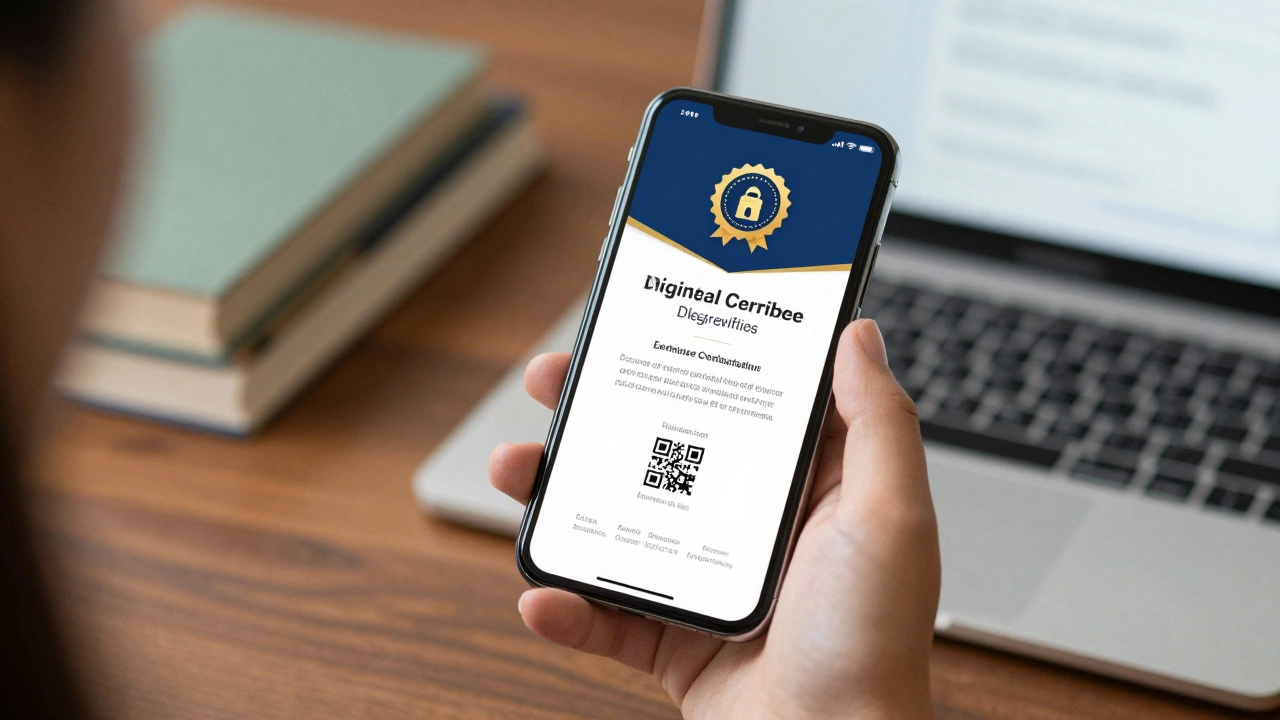
- Blockchain Credentialing: Degrees stored immutably on distributed ledgers. Instant verification by employers without contacting universities.
- Micro-Credential Stacking: Instead of four-year degrees, earn stackable badges in data analysis, UX design, project management. Combine them into custom qualifications.
- Immersive Classrooms via AR/VR: Walk through ancient Rome while studying history. Practice public speaking in simulated boardrooms with AI judges.
- Personalized Learning Paths Using Biometrics: Eye-tracking detects confusion. Heart rate monitors signal stress. Systems adapt pacing accordingly.
Regulators will catch up slowly. Ethical concerns around data privacy and algorithm bias remain unresolved. But innovation moves faster than policy-and learners benefit immediately.
Final Thoughts: Should You Choose Distance Education?
Ask yourself honestly:
- Do I need geographic freedom?
- Can I commit to consistent self-study?
- Will my target employer accept this credential?
- Am I seeking convenience-or transformation?
If yes to most, go ahead. Start small. Take one non-degree course first. Test your discipline. Build confidence. Then scale up.
Distance education isn’t inferior. It’s different. Designed for mobility, resilience, and lifelong learning. Used wisely, it opens doors once locked behind location, income, or timing.
Is distance education legally valid in India?
Yes, provided the program is approved by the University Grants Commission (UGC) under its Distance Education Bureau (DEB). Always verify current status on ugc.ac.in before enrolling.
Can I get a job with only an online degree?
Absolutely-if the degree is from an accredited institution. Top recruiters focus on skills demonstrated through internships, portfolios, and interviews rather than delivery mode.
How much does quality distance education cost?
Varies widely. Indian public universities charge ₹10,000-₹50,000/year. Private providers range ₹1 lakh-₹5 lakhs. International MOOCs start free; verified certificates cost $50-$200/course.
Do employers still prefer campus-based graduates?
Preference fades quickly when candidates demonstrate competence. A 2025 NASSCOM survey showed 72% of IT firms hired remote-degree holders without hesitation after skill assessments.
What’s the biggest challenge in distance education?
Self-motivation. Without daily reminders from peers or professors, procrastination thrives. Successful students treat study blocks like appointments-non-negotiable and scheduled.